
CogniCept Drops Review 2026
CogniCept Drops is marketed as a liquid cognitive support supplement designed to support memory, focus, concentration, recall and mental clarity. Unlike conventional nootropic capsules, the product comes in a liquid dropper format and is promoted as a convenient option for people looking for everyday brain support.
The marketing is certainly attractive. Better memory, sharper focus and improved concentration are benefits that can appeal to students, professionals, older adults and practically anyone dealing with mental fatigue.
But supplements need to be looked at beyond the sales page.
The first question is what is actually inside the bottle. The second is whether those ingredients are present at meaningful doses. The third is whether the finished product has been tested in humans.
That is where the CogniCept Drops story becomes more complicated.
Different ingredient lists have been published under the CogniCept name, with one formula containing familiar nootropic ingredients such as Bacopa Monnieri, Lion’s Mane, Alpha-GPC and Phosphatidylserine, while another contains a substantially different collection of ingredients. This makes it difficult to establish which formulation consumers are actually purchasing.
This CogniCept Drops review looks at the ingredients, safety, marketing claims, scientific evidence, customer feedback and potential concerns before answering the bigger question. Is CogniCept Drops actually worth the hype?
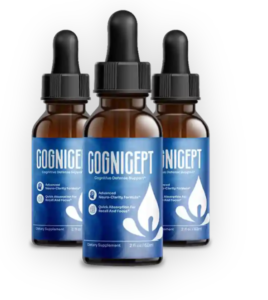
What Are CogniCept Drops?
CogniCept Drops are marketed as a liquid dietary supplement for memory, concentration, focus, recall and general cognitive support.
The product is positioned as a dietary supplement rather than a prescription medicine. That distinction matters because dietary supplements do not go through the same premarket approval process as prescription drugs.
According to the U.S. Food and Drug Administration’s consumer guidance on dietary supplements, the FDA does not generally approve dietary supplements for safety and effectiveness before they are marketed. The agency also advises consumers to be cautious and speak with a healthcare professional when necessary.
So when a product is marketed as supporting memory or focus, the claim should not automatically be interpreted as proof that the product has been clinically proven to produce those results.
CogniCept Drops Ingredients
The ingredient list is one of the biggest issues when evaluating CogniCept Drops.
One published formula contains ingredients including Lion’s Mane Mushroom, Bacopa Monnieri, Ginkgo Biloba, Alpha-GPC, Ashwagandha, Rhodiola Rosea, L-Tyrosine, Phosphatidylserine, L-Theanine, Huperzine-A, Maritime Pine Bark Extract and B vitamins.
Another published formula contains a substantially different combination that includes chromium, maca, grape seed extract, guarana, African mango, eleuthero, astragalus, green tea extract, gymnema, coleus forskohlii, capsicum, grapefruit extract, Panax ginseng, raspberry ketones, GABA, L-Tryptophan and L-Carnitine.
That is a significant difference.
It also makes it difficult to compare the product with scientific studies because the precise formulation needs to be known before research on individual ingredients can be meaningfully applied.
Another concern is the lack of clearly disclosed quantities for some of the advertised ingredients. A supplement containing Bacopa, for example, cannot automatically be compared with a clinical study simply because both products contain Bacopa.
The extract, dose, standardization and duration all matter.
CogniCept Drops and Bacopa Monnieri
Bacopa Monnieri is probably one of the more scientifically interesting ingredients associated with the nootropic version of CogniCept Drops.
A systematic review of randomized controlled human trials published in PubMed found some evidence that Bacopa could improve memory free recall. However, the review also noted that evidence for other cognitive domains was limited. The trials included in that review generally used standardized extracts over approximately 12 weeks.
A separate meta-analysis of randomized controlled trials on Bacopa Monnieri involving 518 participants found potential improvements in certain measures of cognition, particularly speed of attention. The researchers nevertheless concluded that more definitive evidence was needed.
More recent research has continued to investigate the ingredient. A 2026 systematic review and network meta-analysis published in Phytomedicine examined 29 randomized controlled trials involving 2,107 healthy adults and reported promising effects for certain memory outcomes with Bacopa. The researchers also noted limitations surrounding direct comparisons and the available evidence.
That makes Bacopa an interesting ingredient.
It does not, however, prove that CogniCept Drops themselves improve memory.
The actual CogniCept formulation would need to contain an appropriate standardized extract and dose before those findings could reasonably be connected to the finished product.
CogniCept Drops and Alpha-GPC
Alpha-GPC is another ingredient associated with cognitive and cholinergic function.
It provides choline, which is involved in the production of acetylcholine, a neurotransmitter involved in processes including learning and memory.
That gives Alpha-GPC a reasonable biological rationale for inclusion in a cognitive supplement.
The problem remains the same.
Without a clearly disclosed amount and formulation, it is difficult to determine whether the Alpha-GPC in CogniCept corresponds with quantities studied in clinical research.
An ingredient name on a label is therefore not enough to establish effectiveness.
CogniCept Drops and Lion’s Mane
Lion’s Mane mushroom has become increasingly popular in the nootropic market.
The mushroom has attracted scientific interest because of laboratory research and preliminary human investigations into neurological and cognitive effects.
However, the human evidence remains much smaller than the marketing surrounding Lion’s Mane supplements might suggest.
For CogniCept Drops, this means Lion’s Mane can reasonably be described as a potentially interesting ingredient rather than a proven memory enhancer.
The difference is important.
CogniCept Drops and Ginkgo Biloba
Ginkgo Biloba has been investigated for cognitive health for decades.
Research has produced mixed findings depending on the population, extract and outcome being examined.
Ginkgo should also not be treated as automatically harmless because it is a botanical ingredient. People taking medications, particularly medications that affect bleeding, should discuss Ginkgo-containing supplements with an appropriate healthcare professional.
This reinforces the importance of knowing exactly which formula is inside the CogniCept bottle.
CogniCept Drops and Ashwagandha
Ashwagandha is another botanical commonly included in supplements marketed around stress, mental wellbeing and cognitive performance.
Its research profile is broader than memory alone, with studies examining areas such as stress and anxiety.
However, including Ashwagandha in a cognitive supplement does not establish that the finished product improves memory.
It also has potential safety considerations, meaning the term “natural” should not be interpreted as synonymous with “risk-free.”
The FDA’s guidance on dietary supplements specifically warns consumers that supplements can have biological effects, interact with medicines and cause health risks in certain circumstances.
CogniCept Drops Claims
The primary CogniCept Drops claims revolve around memory, focus, concentration, recall and mental clarity.
These claims are commercially understandable. Cognitive decline, forgetfulness and difficulty concentrating are common concerns, and consumers naturally look for convenient solutions.
The important distinction is between a structure or function claim and a clinically demonstrated therapeutic effect.
CogniCept may contain ingredients that have been studied individually. That does not establish that the complete formula has been proven to produce the advertised benefits.
There is currently no strong product-specific clinical trial establishing that the finished CogniCept Drops formula significantly improves memory or concentration compared with placebo.
That should be made clear before taking the marketing claims at face value.
CogniCept Drops Effectiveness
Does CogniCept Drops actually work?
There is not enough product-specific evidence to confidently say that it does.
Some individual ingredients have legitimate scientific research behind them. Bacopa is a good example, with multiple randomized controlled trials and systematic reviews investigating its cognitive effects.
However, three major problems remain.
The first is uncertainty around the exact formula.
The second is insufficient transparency around ingredient quantities.
The third is the lack of strong clinical evidence testing CogniCept Drops itself.
This distinction is important because supplement companies sometimes rely on research surrounding individual ingredients to create an impression that the finished product has been clinically validated.
It has not been established that way here.
CogniCept Drops Safety
Safety deserves as much attention as effectiveness.
The advertised nootropic formula includes several biologically active ingredients. Huperzine-A, Ginkgo Biloba and Ashwagandha are not simply flavoring ingredients, and their effects may be relevant to people taking certain medicines or managing particular health conditions.
The alternative formula introduces another set of considerations, reportedly including grapefruit extract, L-Tryptophan, guarana and green tea extract.
Grapefruit is particularly important because it can affect the metabolism of certain medicines. L-Tryptophan can also be relevant when combined with medications that influence serotonin.
The lack of consistent formulation information makes a complete safety assessment difficult.
The FDA similarly advises consumers to consider possible interactions between dietary supplements, medicines and health conditions rather than assuming that supplements are automatically safe.
Anyone using prescription medication should therefore check the actual Supplement Facts panel with a pharmacist or qualified healthcare professional before using CogniCept.
CogniCept Drops Customer Reviews
Customer reviews can be useful for evaluating things such as taste, packaging, shipping, ease of use and individual experiences.
They are much less useful for proving whether a cognitive supplement actually works.
CogniCept marketing presents positive customer feedback and impressive rating claims. However, the underlying reviews are not as easy to independently verify as the marketing numbers might suggest.
That does not automatically mean the reviews are fake.
It simply means they should be treated as testimonials rather than clinical evidence.
This is particularly important with cognitive products because perceived improvements in focus can be influenced by sleep, caffeine intake, stress, diet, expectations and normal fluctuations in concentration.
A customer saying “this worked for me” is an experience.
A randomized controlled trial is evidence about whether the product itself caused the outcome.
Those are not the same thing.
CogniCept Drops Marketing Concerns
There are several issues worth checking before ordering.
CogniCept Drops Ingredient List Concerns
The existence of substantially different ingredient lists under the same product name makes it difficult to establish which formulation a customer is actually purchasing.
That should be resolved before payment rather than after the bottle arrives.
CogniCept Drops Dosage Concerns
The lack of clear per-serving quantities for the active ingredients makes it difficult to compare the product with doses used in clinical trials.
This is particularly relevant for ingredients such as Bacopa where studies have used standardized extracts and defined doses.
CogniCept Drops Product Description Concerns
Some promotional material has reportedly contained inconsistent references to the product format.
That may be the result of recycled marketing material, but it still raises a basic quality-control question.
Consumers should expect the product name, format, ingredients and dosage information to remain consistent across the sales page and physical bottle.
CogniCept Drops Customer Rating Concerns
A large customer rating can look impressive, but the strength of the evidence depends on whether the underlying reviews can be independently inspected.
A star rating displayed by a seller is therefore best treated as marketing information unless the review data can be verified.
CogniCept Drops Checkout Concerns
Recent reporting has also raised questions about some CogniCept purchase pathways and whether customers are consistently being directed to the same advertised product. That makes it particularly important to confirm the product name, seller and payment destination before completing an order.
CogniCept Drops Worth the Hype
CogniCept Drops has a formula concept that looks appealing on paper.
Some of the ingredients associated with the nootropic formula have legitimate scientific research behind them. Bacopa, in particular, has been examined in randomized trials and systematic reviews, including newer research published in 2026.
But the bigger issue is the finished product.
The evidence surrounding individual ingredients cannot be used as direct proof that CogniCept Drops works.
The conflicting ingredient information and unclear dosage details make that even more difficult.
The fairest conclusion is that CogniCept Drops has interesting ingredients but insufficient product-specific evidence to support the stronger cognitive claims commonly associated with the marketing.
That does not prove that the product is ineffective.
It means the evidence is not strong enough to confidently establish the advertised benefits.
CogniCept Drops Pros and Cons
Pros of CogniCept Drops
- Convenient liquid format
- Contains ingredients with scientific interest
- Bacopa has a relatively substantial human research history
- Several ingredients have plausible mechanisms related to cognitive function
- Marketed as a dietary supplement rather than a replacement for medical treatment
Cons of CogniCept Drops
- Conflicting ingredient lists
- Unclear ingredient quantities
- Limited product-specific clinical evidence
- Potential interactions involving some ingredients
- Customer review claims are difficult to independently verify
- Inconsistent marketing information
- Questions surrounding some purchase pathways
Things to Check Before Buying CogniCept Drops
Before placing an order, check the actual bottle rather than relying entirely on promotional copy.
Look for the complete Supplement Facts panel, serving size, amount of each active ingredient, manufacturer information, lot or batch number and contact details.
The product information should match across the sales page, checkout page and physical packaging.
It is also worth checking the FDA’s consumer guidance on dietary supplements before purchasing any supplement marketed for a health benefit. The agency specifically recommends becoming informed about potential risks and discussing supplements with a doctor, pharmacist or other healthcare professional when appropriate.
Anyone experiencing persistent or worsening memory problems should also avoid using a supplement as a substitute for proper medical assessment.
Frequently Asked Questions About CogniCept Drops
What Are CogniCept Drops?
CogniCept Drops are marketed as a liquid dietary supplement intended to support memory, focus, concentration, recall and general cognitive function.
What Are the CogniCept Drops Ingredients?
One published formula lists Bacopa Monnieri, Lion’s Mane, Ginkgo Biloba, Alpha-GPC, Ashwagandha, Rhodiola Rosea, L-Tyrosine, Phosphatidylserine, L-Theanine, Huperzine-A, Maritime Pine Bark Extract and B vitamins. Other published material contains a substantially different ingredient list.
Do CogniCept Drops Improve Memory?
There is not enough product-specific clinical evidence to establish that CogniCept Drops improve memory. Some ingredients, particularly Bacopa, have been investigated for cognitive effects, but research on an individual ingredient cannot automatically be transferred to the complete supplement.
Are CogniCept Drops Safe?
Safety depends on the actual ingredients, quantities, individual health circumstances and medication use. Some ingredients can interact with medicines or produce unwanted effects. The FDA recommends consulting a healthcare professional when evaluating supplement safety.
Are CogniCept Drops FDA Approved?
CogniCept should not be described as an FDA-approved treatment for memory loss or cognitive impairment. Dietary supplements are regulated differently from prescription drugs, and the FDA generally does not approve supplements for safety and effectiveness before they reach the market.
How Long Do CogniCept Drops Take to Work?
There is no reliable clinical evidence establishing how quickly the complete CogniCept formula should work. Research on Bacopa, for example, has generally examined supplementation over weeks rather than treating it as an instant cognitive booster.
Are CogniCept Drops Customer Reviews Reliable?
Customer reviews can provide information about individual experiences, but they cannot establish clinical effectiveness. Positive testimonials should therefore be considered alongside independent evidence rather than used as proof that the supplement works.
Are CogniCept Drops Worth the Hype?
The product contains or is advertised as containing several ingredients with scientific interest, but the conflicting ingredient information, unclear dosages and lack of strong product-specific clinical evidence make the stronger marketing claims difficult to verify.
Final Thoughts on CogniCept Drops
CogniCept Drops is an interesting example of how supplement marketing can make a product appear more scientifically established than the evidence surrounding the finished formula actually shows.
There are legitimate ingredients associated with cognitive research, and Bacopa has a particularly interesting evidence base. Recent 2026 research continues to investigate its potential cognitive effects, although important limitations remain.
The bigger issue is not whether every ingredient is useless.
It is whether the exact ingredients, doses and formulation inside the CogniCept bottle have been sufficiently established to support the product’s marketing claims.
At present, that connection is not clear enough.
The conflicting ingredient lists are especially important because consumers deserve to know exactly what they are purchasing before paying for a supplement.
CogniCept Drops may appeal to people looking for a liquid nootropic, but the available evidence supports a more cautious interpretation. The individual ingredients may have potential, but the finished CogniCept product has not been adequately demonstrated as a clinically proven memory or focus supplement.
That is the difference between an interesting formula and a proven product.