
Weight-loss gummies are everywhere right now, and LipoBoost Gummies are one of the newer names showing up in searches. This LipoBoost Gummies review looks past the marketing copy to answer the questions that actually matter what’s in them, what the ingredients are backed by what real customers and independent sources say, and whether they’re worth your money.
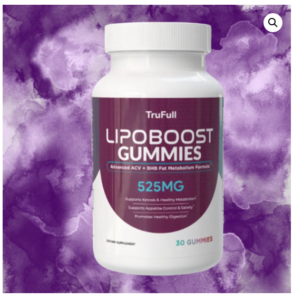
What Are LipoBoost Gummies?
LipoBoost Gummies are marketed as a daily dietary supplement built around two headline ingredients: apple cider vinegar (ACV) and BHB (beta-hydroxybutyrate) salts. The brand positions LipoBoost Gummies as a “4-in-1” chewable aimed at appetite control, metabolic support, and helping the body use fat for fuel rather than carbohydrates — the basic idea behind ketosis-focused supplements.
Like most gummies in this category, LipoBoost Gummies are sold directly through the manufacturer’s website rather than in major retail stores, which is standard for this type of supplement but also means there’s no independent retailer or pharmacist vetting the product before it reaches consumers.
It’s worth stating clearly, because the official marketing often buries it: LipoBoost Gummies are a dietary supplement, not an FDA-approved medication. Under U.S. law, supplement manufacturers don’t need FDA approval to sell a product, and the FDA does not verify the accuracy of claims made about it before it goes to market. You’ll typically see a disclaimer to that effect in small print on the seller’s site.
How Do LipoBoost Gummies Claim to Work?
According to the manufacturer, LipoBoost Gummies work through two main mechanisms:
- Appetite and craving control via apple cider vinegar, which is claimed to slow stomach emptying and increase feelings of fullness.
- Ketosis support via exogenous BHB salts, which are meant to raise blood ketone levels and signal the body to burn stored fat instead of glucose for energy.
This is the same mechanism story used by dozens of similar ACV/BHB gummies on the market — LipoBoost Gummies aren’t using a proprietary or unique formula in this regard. That doesn’t automatically make the claims false, but it does mean the product should be judged on the strength of research behind its ingredients, not on its marketing language.
LipoBoost Gummies Ingredients: What the Research Actually Shows
Apple Cider Vinegar (ACV)
ACV is the more researched of the two core ingredients, but the evidence is genuinely mixed, and this is where a neutral LipoBoost Gummies review needs to be careful.
- A 2024 randomized trial published in BMJ Nutrition, Prevention & Health reported meaningful weight loss from daily ACV intake — but that study was retracted in 2025 after outside researchers found statistical errors that the authors could not resolve, and the results could not be reproduced (Malay Mail coverage of the retraction).
- A more recent 2025 meta-analysis of 10 randomized controlled trials (861 adults) found that ACV produced a modest but statistically significant reduction in body weight, BMI, and waist circumference, particularly in people with obesity or type 2 diabetes, at doses around 30 mL per day (News-Medical summary of the meta-analysis).
- Mayo Clinic’s own guidance remains cautious, noting that experts have not found meaningful weight loss or lasting appetite control from ACV, and that many of the supporting studies are small or methodologically weak (Mayo Clinic: Apple cider vinegar for weight loss).
Taken together, the honest summary for anyone researching LipoBoost Gummies is: ACV may offer a small effect on weight and appetite in some people, mainly at higher, measured doses over several weeks — but it is not a proven fat-burning agent, and one of the most-cited studies behind that claim has since been withdrawn.
BHB (Beta-Hydroxybutyrate)
BHB is a ketone body the liver naturally produces during fasting or a low-carb diet. Supplementing with exogenous BHB salts does raise blood ketone levels, but raising ketone levels artificially is not the same as inducing the metabolic adaptations of an actual ketogenic diet. Independent research specifically testing exogenous BHB supplements — as opposed to whole-diet ketosis — for meaningful fat loss in humans is limited, and no clinical trials on LipoBoost Gummies as a finished product currently exist.
LipoBoost Gummies Reviews: What Are Customers Saying?
Searching for “LipoBoost Gummies reviews” turns up a large number of five-star ratings, but it’s worth reading these with a critical eye. Several of the sites hosting glowing LipoBoost Gummies reviews are affiliate marketing pages that earn a commission when a reader clicks through and buys and use near-identical scripted phrasing (“Phase 1: Metabolic Shift,” “Phase 2: Targeted Fat Burning”) across multiple unrelated products — a pattern typical of templated marketing content rather than independent testimonials.
For comparison, LipoBoost Gummies’ Trustpilot listing — a platform where reviews are tied to verified accounts — showed only a small handful of ratings, which doesn’t match the tens of thousands of reviews claimed on some marketing sites. When a product’s review counts vary wildly between sources, that’s a reasonable signal to treat the higher figures with skepticism.
Bottom line: genuine before-and-after user experiences with LipoBoost Gummies specifically are hard to verify independently at this time.
Potential Side Effects of LipoBoost Gummies
Because LipoBoost Gummies center on ACV and BHB, potential side effects generally mirror those of the individual ingredients rather than anything unique to the brand:
- Apple cider vinegar is acidic and, in concentrated liquid form, has been linked to tooth enamel erosion and throat irritation; gummy formats reduce but may not eliminate this risk depending on sugar and acid content.
- ACV can also interact with certain medications, including insulin, diuretics, and some diabetes drugs, by affecting blood sugar or potassium levels.
- BHB salts are sometimes associated with mild digestive discomfort, such as bloating or nausea, especially when started at a full dose.
- As with any gummy supplement, added sugars, sugar alcohols, or artificial sweeteners used for taste can cause GI upset in sensitive individuals.
Anyone on medication, pregnant, breastfeeding, or managing a chronic condition like diabetes should talk to a doctor or pharmacist before starting LipoBoost Gummies or any similar supplement.
Pros and Cons of LipoBoost Gummies
Potential upsides:
- Gummy format may be easier to take consistently than liquid ACV or capsules
- Ingredients (ACV, BHB) have at least some independent research behind their individual effects, even if modest
- Generally considered low risk for most healthy adults at standard doses
Drawbacks:
- No clinical trials on LipoBoost Gummies as a finished product
- Underlying research on ACV for weight loss is mixed, and a key supporting study was retracted
- Online “reviews” are difficult to independently verify and many are affiliate-driven
- Priced at a premium compared to buying ACV or BHB supplements separately
- Not evaluated by the FDA for the claims made
Is LipoBoost Gummies Worth Buying?
Whether LipoBoost Gummies are worth trying depends heavily on your expectations. If you’re looking for a dramatic, fast-acting fat-loss solution, the current research on ACV and BHB doesn’t support that outcome for any product in this category, LipoBoost Gummies included. If you’re mainly looking for a convenient way to add a small, evidence-informed daily habit (modest-dose ACV) alongside diet and exercise, LipoBoost Gummies may be a reasonable — if unproven and comparatively expensive — option, provided you check with a healthcare provider first, especially if you take medication.
Frequently Asked Questions About LipoBoost Gummies
Are LipoBoost Gummies FDA-approved? No. Like all dietary supplements in the U.S., LipoBoost Gummies do not require FDA approval before being sold, and the FDA does not verify the weight-loss claims made about them.
Do LipoBoost Gummies really cause weight loss? There is no published clinical trial on LipoBoost Gummies as a finished product. Independent research on its two main ingredients, ACV and BHB, shows only modest, inconsistent effects on weight, and a widely cited ACV study was retracted in 2025 due to statistical errors.
What ingredients are in LipoBoost Gummies? The manufacturer lists apple cider vinegar and a BHB (beta-hydroxybutyrate) salt matrix as the core active ingredients, typically combined with sweeteners and gelling agents standard to gummy supplements.
Are LipoBoost Gummies safe to take? For most healthy adults, ACV and BHB at standard supplement doses are considered low risk, but they can interact with diabetes medication, diuretics, and other prescriptions. People who are pregnant, breastfeeding, or managing a chronic condition should consult a doctor first.
Where can I find real LipoBoost Gummies reviews? Independent, verified-purchase review platforms are more reliable than marketing or affiliate blog posts. Cross-checking review counts and ratings across multiple independent sources — rather than relying on the manufacturer’s own website — gives a more accurate picture.
Is LipoBoost Gummies a scam? There’s no clear evidence it’s fraudulent in the sense of not shipping a real product, but the marketing around it follows patterns common to low-evidence supplements: unverified review counts, retracted or cherry-picked science, and affiliate-driven “review” sites. Consumers should treat the health claims with the same skepticism as any unregulated weight-loss supplement.
Final Verdict
LipoBoost Gummies aren’t uniquely dangerous or obviously fraudulent, but they also aren’t backed by the kind of evidence their marketing implies. The ingredients — ACV and BHB — have some legitimate research behind them individually, but that research shows modest effects at best, and none of it has been conducted on LipoBoost Gummies specifically. Anyone considering this or a similar product should set realistic expectations, read ingredient labels carefully, verify claims against independent sources rather than the seller’s own site, and check with a healthcare provider before adding it to a medication or health routine.