
Surface Restoration Polish has gained attention online as a convenient solution for dull, stained, scratched, oxidized, or tarnished surfaces. Promotional pages present it as a multi-surface polishing compound that can refresh materials such as metal, stone, wood, plastic, glass, stainless steel, brass, and other hard surfaces.
However, the product category deserves a closer look before purchasing. Several online stores currently sell products using almost identical names, descriptions, packaging, and marketing claims. That makes it difficult to establish that every listing represents the same manufacturer, formulation, or quality standard.
This Surface Restoration Polish review examines the product claims, intended uses, application method, pricing, potential benefits, limitations, and the issues consumers should consider before ordering.
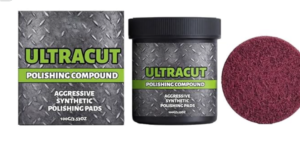
Surface Restoration Polish Overview
Surface Restoration Polish is generally marketed as an all-in-one polishing compound supplied with a small buffing pad. Current listings describe formulations weighing approximately 100 g and recommend applying the compound to the supplied pad, working it into the surface with gentle circular movements, and then wiping away the residue with a soft cloth.
The marketing surrounding the product is built around convenience. Rather than buying separate products for different household surfaces, consumers are encouraged to use one polishing compound for several restoration tasks.
Some retailers claim that the product can help reduce minor scratches, oxidation, tarnish, stains, water marks, dullness, and surface residue. These are broad claims, however, and the actual result will depend heavily on the material, depth of the damage, surface coating, and amount of abrasion involved.
Surface Restoration Polish Features
The most frequently advertised features include multi-surface polishing, minor scratch reduction, removal of tarnish and oxidation, restoration of shine, and a protective finish.
One current retailer describes the product as suitable for metal, stone, wood, plastic, and glass, while another listing specifically mentions chrome, brass, stainless steel, and other hard surfaces.
Another retailer identifies aluminium oxide among the listed ingredients alongside silicone polymer and other components. This is particularly worth noting because aluminium oxide is an abrasive material commonly used in polishing compounds.
The presence of an abrasive ingredient means consumers should not automatically interpret “restoration” as repairing damaged material. A polishing compound can alter the appearance of a surface by cleaning, smoothing, or removing a very thin layer, but it cannot recreate material that has been deeply removed.
Surface Restoration Polish Uses
Surface Restoration Polish is promoted for a wide range of household applications.
Commonly advertised uses include
- Stainless-steel fixtures
- Chrome surfaces
- Brass hardware
- Metal fittings
- Sinks
- Certain stone surfaces
- Wooden furniture
- Plastic surfaces
- Glass and hard household surfaces
- Removal of minor oxidation
- Reduction of light surface marks
- Removal of stains and residue
Some retailers also promote the product for automotive chrome and similar applications.
The important distinction is between surface cleaning and genuine restoration. A light stain or oxidation layer may respond reasonably well to polishing, while deep scratches, peeling finishes, corrosion damage, chipped coatings, or structural damage generally require a different repair method.
Surface Restoration Polish Application Method
The advertised application process is relatively straightforward.
First, clean the surface and remove loose dirt or debris. Apply a small quantity of the polishing compound to the supplied pad. Work the compound gently over a small section using circular movements. After polishing, wipe away the remaining residue with a clean, soft cloth.
Several product pages recommend testing the compound on an inconspicuous section before treating the entire surface. That is one of the more important instructions to follow because different materials and coatings can react differently to abrasives.
For valuable furniture, painted surfaces, delicate finishes, coated stone, or automotive paint, a small test area is particularly important.
Surface Restoration Polish Effectiveness
The effectiveness of Surface Restoration Polish depends on what is actually causing the surface to look damaged.
Polishing can be useful when the problem is superficial oxidation, residue, tarnish, light staining, or very minor surface imperfections. Professional automotive polishing products similarly focus on relatively minor imperfections rather than deep physical damage. For example, 3M describes its Finesse-it II polish as being intended for minor scratches, swirl marks, water spots, light oxidation, and other surface imperfections on automotive paint.
That distinction matters because some online advertisements use dramatic before-and-after demonstrations that may imply the compound can completely erase serious scratches or restore virtually any damaged surface.
Consumers should treat such demonstrations cautiously.
A polish is not equivalent to sanding, refinishing, repainting, resurfacing, or professional restoration.
Surface Restoration Polish Claims About Scratch Removal
Scratch removal is one of the strongest marketing angles surrounding this product category.
Some listings claim that the compound can remove minor scratches and make worn surfaces appear new again.
The realistic expectation should be more conservative.
Very shallow marks may become less noticeable after polishing. Some scratches may be partially filled or visually reduced depending on the formulation. Deeper scratches that penetrate through a coating or finish cannot normally be eliminated simply by rubbing a polishing compound over them.
This is particularly important with vehicle paint. If a scratch has penetrated beyond the clear coat and into the underlying paint or substrate, ordinary polishing is unlikely to completely repair it.
Surface Restoration Polish Multi-Surface Claims
The multi-surface positioning is convenient but should not be interpreted as universal compatibility.
A compound that works well on stainless steel may not produce the same result on varnished wood. A treatment suitable for uncoated metal may damage a coated or painted surface. Glass, stone, plastic, and finished furniture can also have very different surface characteristics.
For this reason, the manufacturer’s recommended surface list should be checked before use. When that information is unavailable or unclear, testing a small hidden area is the safer approach.
Surface Restoration Polish Online Pricing
Pricing varies considerably between sellers.
For example, one retailer currently lists an approximately 100 g kit at $39.99, while Walmart listings for products using the same or highly similar wording show considerably lower prices.
Other online stores advertise prices such as $17.99 or $18 for similar 100 g products.
This wide price variation is worth considering before buying.
It does not automatically prove that the products are identical. However, consumers should compare the manufacturer, ingredients, packaging, seller information, shipping costs, return policy, and product specifications rather than assuming that a higher price means better quality.
Surface Restoration Polish Seller Transparency
Seller transparency is one of the biggest issues surrounding this product category.
A search for the product name reveals multiple stores selling products with highly similar descriptions and claims. Some pages also use aggressive promotional tactics such as large review counts, countdown-style offers, “limited stock” messages, and bundle discounts.
One investigation published in August 2026 also raised concerns about viral demonstrations and generic products being marketed through multiple storefronts. The presence of similar products across stores does not by itself establish fraud, but it is a reasonable reason to investigate the seller before making a purchase.
Consumers should look for a clearly identified business, accessible customer support, realistic product specifications, transparent shipping information, and a workable return policy.
Surface Restoration Polish Customer Reviews
Customer reviews should also be interpreted carefully.
Some product pages display extremely high review numbers. One retailer currently displays more than 85,000 reviews and claims more than 100,000 customers.
Large numbers alone are not proof of product quality.
Before relying on reviews, check whether they are independently verified, whether critical reviews are visible, whether photographs appear authentic, and whether reviews exist outside the seller’s own website.
Independent marketplace listings can sometimes provide a broader picture of customer experiences. Walmart, for example, currently carries listings using the Surface Restoration Polish product description and provides an alternative purchasing channel for comparison.
Surface Restoration Polish Safety Considerations
The most important precaution is to test the product before applying it extensively.
Do not assume that a product advertised as multi-surface is automatically safe for every finish. Abrasive polishing compounds can alter gloss levels, remove coatings, create visible swirl marks, or change the appearance of delicate materials if used incorrectly.
Use a small amount first and follow the seller’s instructions.
For expensive furniture, antique surfaces, specialty stone, high-value vehicles, or surfaces with an unknown coating, professional advice may be more appropriate than experimenting with a generic restoration compound.
Surface Restoration Polish Advantages
The product category does have some practical advantages.
A small polishing kit can be convenient for minor household maintenance. The supplied pad eliminates the need to purchase a separate applicator, and the simple application method may appeal to people looking for a DIY solution.
Potential advantages include
- Simple application
- Compact packaging
- Included polishing pad
- Potential usefulness for light stains and oxidation
- Potential reduction of minor surface imperfections
- Availability through multiple online retailers
- No specialized machine required for basic application
These advantages are most relevant when expectations remain realistic.
Surface Restoration Polish Disadvantages
There are also several limitations.
The biggest issue is that the product is marketed for numerous materials despite the fact that different surfaces require different treatment methods. The broad “one product fixes everything” positioning should therefore be viewed cautiously.
Other potential disadvantages include inconsistent pricing, limited technical information on some seller pages, unclear manufacturer information on certain listings, and marketing claims that may be stronger than the available independent evidence.
There is also the possibility of purchasing a generic or white-label product at a substantial markup.
Surface Restoration Polish Alternatives
Consumers do not necessarily need a multi-surface restoration product for every job.
For automotive paint, established manufacturers provide purpose-specific compounds and polishes. 3M, for example, provides dedicated automotive polishing products designed for particular levels of surface imperfection.
For stainless steel, brass, wood, stone, glass, and other materials, purpose-specific products may provide more predictable results because their formulations are designed around the characteristics of those surfaces.
The better option therefore depends on the material being treated and the severity of the damage.
Surface Restoration Polish Buying Considerations
Before ordering Surface Restoration Polish online, consider the following factors.
Check the exact seller and company information. Compare the product specifications with other listings. Look for the net weight, ingredients, intended surfaces, application instructions, shipping terms, and return conditions.
It is also worth comparing prices across multiple retailers. Current online listings show substantial differences in pricing for products using very similar names and descriptions.
Avoid making a purchase solely because a page displays a large discount or a high review count.
Surface Restoration Polish Verdict
Surface Restoration Polish may be useful for certain light-duty polishing and cleaning applications, particularly where the problem involves surface residue, mild tarnish, oxidation, dullness, or very minor imperfections.
However, the marketing should be approached with realistic expectations.
The strongest concern is not necessarily that the product cannot polish surfaces. The bigger issue is the broad marketing surrounding several products sold under the same or nearly identical name. Multiple retailers currently offer similar formulations, specifications, images, and descriptions at substantially different prices.
For shoppers, the safest approach is to verify the seller, compare prices, examine independent reviews, check the ingredients where available, and test the product on an inconspicuous area before widespread use.
Overall, Surface Restoration Polish is best considered a potentially useful DIY polishing compound rather than a universal repair solution. Consumers should be skeptical of advertisements suggesting that one inexpensive polish can completely restore every type of damaged surface.
Frequently Asked Questions About Surface Restoration Polish
What is Surface Restoration Polish?
Surface Restoration Polish is a polishing compound marketed for improving the appearance of various hard surfaces. Depending on the seller, it may be advertised for metal, stone, wood, plastic, glass, brass, stainless steel, and similar materials.
Does Surface Restoration Polish remove scratches?
It may reduce the appearance of some minor surface scratches, but deep scratches generally require more extensive repair. Consumers should not expect a polishing compound to rebuild missing paint, coating, or material.
Can Surface Restoration Polish be used on cars?
Some sellers market similar products for automotive chrome and vehicle surfaces. However, automotive paint and clear coats require appropriate polishing products and techniques. Products specifically designed for automotive paint may provide more predictable results.
Is Surface Restoration Polish safe for all surfaces?
No. Multi-surface marketing does not guarantee universal compatibility. Always follow the product instructions and test an inconspicuous area first.
How do you use Surface Restoration Polish?
The commonly advertised method is to apply a small amount to the supplied pad, polish gently in circular motions, and wipe the residue away with a clean soft cloth.
Does Surface Restoration Polish really restore damaged surfaces?
It can potentially improve the appearance of surfaces affected by light staining, oxidation, tarnish, residue, or minor imperfections. It should not be confused with professional resurfacing or repair.
Why is Surface Restoration Polish sold at different prices?
Similar products are sold by different retailers at substantially different prices. Some may be generic or white-label products, while others may use different formulations or packaging. Comparing specifications and seller information is therefore important.
Should I buy Surface Restoration Polish online?
It can be considered if the seller provides transparent company information, clear product specifications, reasonable shipping terms, and a usable return policy. Buyers should also compare the product with cheaper alternatives before ordering.
Final Thoughts on Surface Restoration Polish
Surface Restoration Polish occupies an interesting space in the DIY maintenance market. Its appeal comes from a simple proposition, one compact product for several common polishing problems.
That convenience may be useful, but consumers should separate reasonable polishing claims from exaggerated restoration promises. A polishing compound can improve the appearance of many surfaces, but it cannot universally repair deep scratches, damaged coatings, severe corrosion, or structural defects.
The most sensible buying strategy is therefore straightforward. Verify the seller, compare prices, examine independent feedback, check the formulation and compatible materials, and test a small area first.
For minor surface maintenance, it may be worth considering. For serious damage or valuable surfaces, a material-specific product or professional restoration service is likely to be the safer investment.
Relevant External Resources
- 3M Finesse-it II Machine Polish
- Walmart Surface Restoration Polish listing
- Walmart Surface Restoration Polish listing 2
- Surface Restoration Polish product listing